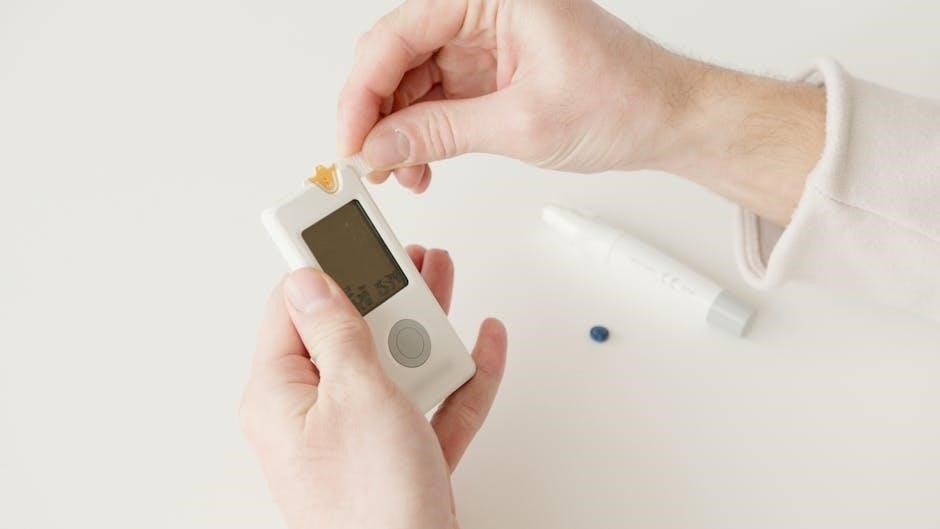
The Sensaphone 400, detailed in a 141-page manual, is a versatile monitoring system. Resources like ManualsPDF and ManualsDir offer comprehensive guides and images for users.
This system, often found in vintage cellar applications, provides critical alerts via phone, paging, or email, as highlighted in available documentation.
Overview of the Sensaphone 400 System
The Sensaphone 400 is a remote monitoring solution designed for unattended environments, offering peace of mind through proactive alerts. As detailed in the extensive 141-page user manual available on platforms like ManualsPDF, the system diligently tracks critical conditions.
It’s capable of monitoring temperature, humidity, power failures, and other vital parameters. Resources from ManualsDir showcase the system’s interface and installation procedures. The Sensaphone 400 isn’t limited to just environmental control; it’s also utilized in applications like vintage cellar monitoring, as evidenced by related documentation.
Its core function revolves around detecting deviations from pre-set thresholds and promptly notifying designated personnel via multiple channels.
Key Features and Benefits
The Sensaphone 400 boasts several key features, prominently detailed in its user manual. These include multi-sensor input capabilities, allowing monitoring of diverse parameters. Notification options are extensive – phone calls, paging, and email alerts ensure timely responses to critical events.
The system’s programmable alert zones, as highlighted on Manualzz, enable customized monitoring for specific areas or conditions. Its robust design and backup battery provide reliable operation even during power outages.

Benefits include reduced downtime, prevention of costly damage, and improved operational efficiency, particularly in remote or unattended locations. The system’s versatility makes it suitable for various applications.
System Components
The Sensaphone 400 system comprises a base unit, remote sensors (various types), and a power supply with battery backup, as detailed in manuals.
Sensaphone 400 Base Unit
The Sensaphone 400’s central hub is the base unit, responsible for receiving signals from connected sensors and initiating alerts. Manuals available on platforms like ManualsPDF and ManualsDir showcase its design. It features a display panel for status updates and navigation, alongside indicators for power, sensor activity, and communication status.
This unit processes sensor data against programmed alert zones and triggers notifications via configured methods – phone calls, paging, or email. The base unit requires a reliable power supply, supplemented by a backup battery to ensure continuous operation during power outages. Proper placement is crucial for optimal sensor communication and accessibility for maintenance.
Remote Sensors (Types and Functions)
Sensaphone 400 systems utilize a variety of remote sensors to monitor diverse environmental conditions. These sensors transmit data wirelessly to the base unit, enabling comprehensive oversight. Common types include temperature sensors, monitoring for freezing or overheating, and water leak sensors, detecting potential flooding.
Additional sensors can track humidity, power failures, or even low/high voltage. Installation, as detailed in user manuals found on ManualsDir, is crucial for accurate readings. Each sensor type has a specific function, contributing to the overall protective capabilities of the Sensaphone 400 system, ensuring timely alerts.
Power Supply and Backup Battery
The Sensaphone 400 requires a reliable power supply for continuous operation, typically utilizing a standard AC adapter. However, a crucial feature is its integrated backup battery. This battery provides uninterrupted monitoring during power outages, ensuring critical alerts aren’t missed.
User manuals, accessible via resources like ManualsPDF, detail the battery’s capacity and expected runtime. Regular maintenance, including periodic battery checks, is recommended. The backup system safeguards against data loss and maintains the system’s responsiveness, offering peace of mind even when primary power is unavailable.

Installation and Setup
Sensaphone 400 setup involves initial configuration, sensor installation, and connection to the base unit, as detailed in user manuals found on ManualsDir.
Initial Setup and Configuration
Beginning with the Sensaphone 400 requires careful attention to the initial setup process. The comprehensive 141-page user manual, available on platforms like ManualsPDF, is crucial. This involves powering on the base unit and navigating the menu system to establish core parameters.
Configuration includes setting the date and time, defining the primary and alternate phone numbers for alerts, and establishing communication protocols. Users should meticulously follow the instructions to ensure accurate data transmission and reliable notification delivery. Proper setup is foundational for optimal system performance and dependable monitoring capabilities.
Installing the Sensor
Sensor installation for the Sensaphone 400, as detailed in resources like Manualzz, demands precise execution. Begin by selecting an appropriate location, considering the monitored environment and sensor range. Securely mount the sensor, ensuring it’s stable and protected from physical damage.
Connect the sensor cable to the designated port on the base unit, verifying a firm connection. Refer to the user manual for specific wiring diagrams and sensor compatibility. Proper installation guarantees accurate readings and reliable alert triggers. Careful attention to these steps is vital for optimal system functionality.
Connecting Sensors to the Base Unit
Connecting sensors to the Sensaphone 400 base unit requires careful attention to detail, as outlined in the user manual available on platforms like ManualsPDF. Each sensor type utilizes a specific port on the base unit; ensure correct matching to avoid malfunctions;
Securely plug in the sensor cables, verifying a snug fit. The manual provides wiring diagrams for various sensor configurations. Proper connection is crucial for accurate data transmission and reliable alarm activation. Double-check all connections before powering on the system to prevent potential damage.

Understanding the User Interface
The Sensaphone 400 features a display panel with indicators for system status. Manuals detail navigation and programming options for customized monitoring, as found online.
Display Panel and Indicators
The Sensaphone 400’s display panel serves as the central hub for system information. According to available user manuals sourced from ManualsPDF and ManualsDir, the panel presents crucial data regarding sensor status and system operation.
Key indicators illuminate to signal power, communication connectivity, and alert conditions. Specific icons denote active sensors, low battery levels, and triggered alarms. Understanding these visual cues is paramount for effective monitoring. The display facilitates quick assessment of the system’s health and immediate response to potential issues, ensuring prompt action when needed.
Navigation and Menu Options
The Sensaphone 400 utilizes a straightforward menu system for configuration and control, as detailed in user manuals available on platforms like ManualsPDF and ManualsDir. Navigation is typically achieved through a combination of buttons, allowing users to scroll through options and make selections.
Key menu items include sensor settings, notification preferences, and system diagnostics. Users can customize alert zones, adjust communication parameters, and review event logs. The intuitive interface ensures ease of use, even for those unfamiliar with similar monitoring systems, facilitating efficient management of critical parameters.
Programming the System
Programming the Sensaphone 400, as outlined in its 141-page manual (ManualsPDF), involves configuring sensor parameters, alert thresholds, and notification methods. Users define acceptable ranges for each sensor, triggering alarms when deviations occur.
Notification programming includes entering phone numbers, email addresses, and paging details. The system allows for customized alert messages, providing specific information about the triggered event. ManualsDir resources demonstrate the process, emphasizing the importance of accurate data entry for reliable operation. Proper programming ensures the system effectively monitors and responds to critical conditions.

Alert Zones and Notifications
The Sensaphone 400 utilizes customizable alert zones, triggering notifications via phone, paging, or email, as detailed in manuals available on ManualsPDF and Manualzz.
Alert Zones
Sensaphone 400’s alert zones are fundamental to its monitoring capabilities. These zones represent specific sensor inputs or combinations, allowing users to define critical thresholds for various environmental conditions. As outlined in the user manual found on resources like Manualzz.com, each zone can be individually programmed with unique high and low alarm limits.
This granular control ensures that notifications are triggered only when truly necessary, minimizing false alarms. The system supports multiple alert zones, enabling comprehensive monitoring of diverse parameters. Properly configuring these zones is crucial for effective remote oversight and proactive issue resolution, as detailed in the 141-page instruction guide.
Notification Methods (Phone Calls, Paging, Email)
The Sensaphone 400 offers versatile notification options to ensure timely alerts. The system can deliver warnings via traditional phone calls, paging systems, and increasingly, email. Manuals available on platforms like ManualsPDF.ru detail the configuration process for each method. Users can customize notification sequences, prioritizing contacts based on alarm severity.
Phone calls provide immediate attention, while email offers a documented record of events. Paging is suitable for on-site personnel. The user manual emphasizes the importance of verifying contact information for reliable communication. Selecting the appropriate method, or a combination, is key to effective remote monitoring and rapid response.
Customizing Alert Messages
The Sensaphone 400 allows users to tailor alert messages for clarity and specific context. The comprehensive 141-page manual, accessible via resources like ManualsPDF.ru, details how to personalize notifications. This customization extends beyond simply identifying the sensor triggering the alarm; you can include location details or specific parameter readings.
Clear, concise messages minimize confusion and enable faster, more informed responses. The system supports customized messages for each notification method – phone, page, or email. Properly configured alerts, as outlined in the user manual, are crucial for effective remote monitoring and proactive problem-solving.

Sensor Management
The Sensaphone 400 manual details adding sensors, calibration procedures, and troubleshooting steps. ManualsDir.com provides resources for effective sensor oversight and system performance.
Adding New Sensors
The Sensaphone 400 system allows for expansion with various remote sensors, enhancing its monitoring capabilities. The user manual, available on platforms like ManualsPDF, provides detailed instructions for seamlessly integrating these devices.
Typically, adding a new sensor involves accessing the system’s programming menu. Users must then assign a unique sensor ID and configure its specific parameters, such as alert thresholds and sensor type. Proper sensor placement is crucial for accurate readings, and the manual offers guidance on optimal locations.
Ensure compatibility with the base unit before installation. Following these steps guarantees reliable data transmission and effective monitoring of critical environmental conditions.
Sensor Calibration
Maintaining accuracy with the Sensaphone 400 relies on regular sensor calibration, as detailed in the comprehensive user manual found on resources like ManualsPDF and ManualsDir. Calibration ensures the system provides reliable data for critical monitoring applications.
The process typically involves comparing sensor readings against known standards. Adjustments are then made through the system’s programming menu to align the sensor output with these standards. The manual outlines specific calibration procedures for each sensor type.
Consistent calibration is vital for preventing false alarms and ensuring the system responds appropriately to genuine environmental changes.
Troubleshooting Sensor Issues
Addressing sensor malfunctions is crucial for the Sensaphone 400’s reliability. The detailed user manual, available on platforms like ManualsPDF and ManualsDir, provides a systematic approach to diagnosing common problems. Initial steps involve verifying power connections and sensor wiring.
If a sensor consistently reports inaccurate readings, recalibration is recommended. For unresponsive sensors, check for physical damage or obstructions. The manual offers specific troubleshooting guidance for each sensor type.
If issues persist, consulting the manual’s support section or contacting Sensaphone directly is advised to ensure proper resolution.

Advanced Settings
The Sensaphone 400 manual details power management, communication protocols, and robust reporting features for customized monitoring. These settings enhance system functionality.
Power Management Options
The Sensaphone 400 offers several power management features, crucial for reliable operation. The system utilizes a standard power supply, but also incorporates a backup battery. This ensures continued monitoring during power outages, maintaining critical alert capabilities.
Users can configure power-saving modes within the system’s settings, potentially extending battery life. The manual details how to monitor battery levels and receive low-battery warnings. Proper battery maintenance, as outlined in the documentation, is essential for consistent performance. Understanding these options allows for optimized and uninterrupted remote monitoring.
Communication Settings
The Sensaphone 400’s communication settings are central to its functionality. The user manual details configuring notification methods, including phone calls, paging systems, and email alerts. Users can program multiple contact numbers and email addresses to ensure redundancy in critical situations.
Settings allow customization of alert messages, providing specific details about the triggered event. The system’s manual explains how to test communication pathways to verify proper functionality. Proper configuration of these settings guarantees timely and accurate notifications, maximizing the system’s protective capabilities.
Reporting and Logging Features
The Sensaphone 400 offers robust reporting and logging capabilities, detailed within its extensive 141-page user manual. The system diligently records all sensor readings and alert events, creating a comprehensive historical log. This data is invaluable for identifying trends, diagnosing issues, and verifying system performance.
Users can access these logs to generate reports, providing insights into environmental conditions and system activity. The manual explains how to interpret the logged data and utilize it for preventative maintenance. These features enhance the system’s overall value, offering proactive monitoring and informed decision-making.

Maintenance and Troubleshooting
The Sensaphone 400 manual details regular upkeep, common issues, and factory reset procedures. Resources like ManualsPDF provide guides for optimal performance and quick solutions.
Regular Maintenance Procedures
Consistent maintenance ensures the Sensaphone 400 operates reliably. The user manual emphasizes periodic checks of all connected sensors, verifying their proper function and calibration. Inspect wiring for any signs of damage or corrosion, replacing as needed to maintain signal integrity.
Regularly clean the base unit’s exterior with a soft, dry cloth. Dust accumulation can impede ventilation. Confirm the backup battery maintains sufficient charge through periodic testing. Review the system logs for any recurring errors, addressing them promptly. Following these procedures, detailed in resources like ManualsPDF, will maximize the system’s lifespan and accuracy.
Common Issues and Solutions
Troubleshooting the Sensaphone 400 often involves addressing sensor connectivity. If a sensor fails to register, check its wiring and battery (if applicable). False alarms can stem from incorrect alert zone settings or sensor calibration issues – consult the manual for adjustments.
Communication failures, like missed notifications, may indicate problems with phone line connectivity or email server settings. A factory reset, as a last resort, can resolve persistent software glitches. Resources like ManualsDir provide visual guides. Always refer to the comprehensive user manual for detailed diagnostic steps and solutions.
Factory Reset Instructions
Performing a factory reset on the Sensaphone 400 restores the system to its original default settings. Caution: This will erase all programmed configurations, including sensor data and notification preferences. Consult the detailed 141-page user manual available on ManualsPDF before proceeding.
Typically, the reset involves a specific sequence of button presses while the unit is powered on. This process may require accessing the system’s menu via the display panel. Back up critical settings if possible. After the reset, reconfigure all sensors and notification methods according to your needs.